


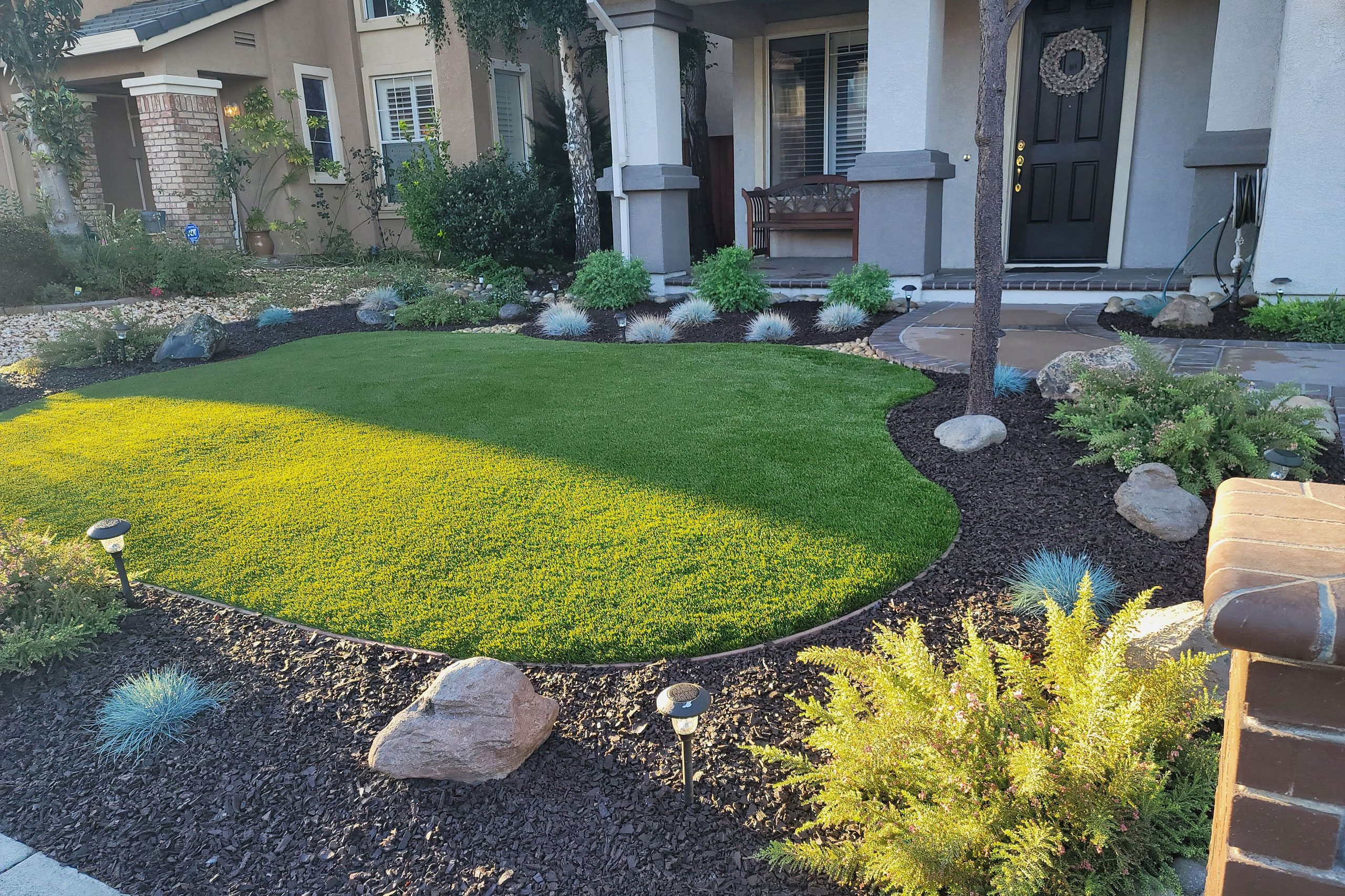
Arizona’s climate poses unique challenges for outdoor construction. Intense sun, temperature swings, and variable soil conditions affect pools, landscaping, hardscape, and outdoor structures. Homeowners often face fading materials, cracking surfaces, or plantings that fail to thrive when these factors are not considered. Understanding how climate interacts with design choices is essential to creating a backyard that is both durable and functional, while remaining visually appealing.
Choosing Materials for Longevity
Concrete, stone, and wood all respond differently to Arizona conditions. Concrete patios and driveways require appropriate reinforcement and curing methods to prevent cracking under high heat. Stone must be selected for durability and slip resistance around pools. Pergolas and other structures benefit from treated wood or powder-coated metals to withstand sun exposure and occasional storms. Using materials suited to the environment reduces maintenance, preserves aesthetics, and prevents early replacement costs, creating a lasting investment in the backyard.
Plant Selection and Landscaping Considerations
Landscaping requires careful attention to soil quality, irrigation, and plant hardiness. Native and drought-tolerant species perform best in Arizona, minimizing water use while providing shade, privacy, and color. Placement is critical: trees should not interfere with pool equipment or hardscape, and shrubs must allow for proper drainage. Thoughtful selection ensures that plants complement hardscapes and pools, defining outdoor zones without creating maintenance headaches or safety hazards. Proper soil preparation and irrigation planning prevent erosion and water pooling, enhancing the usability and longevity of the space.
Integrating Pools, Hardscape, and Plantings
A well-designed backyard balances hard surfaces, soft landscaping, and water features. Pools, patios, retaining walls, and pergolas must be positioned in harmony with plantings and natural terrain. Proper coordination ensures that drainage flows correctly, walkways remain safe, and pools do not interfere with plant growth. Integration also affects usability, providing clear circulation paths, shaded areas, and defined zones for lounging, dining, or recreation. Considering all elements together reduces conflicts and creates a cohesive, functional environment.
Planning for Maintenance and Comfort
Even durable materials require consideration of long-term care. Surfaces must be accessible for cleaning, irrigation systems must be maintainable, and shade structures must be positioned to optimize comfort throughout the day. A climate-aware design anticipates these factors, reducing the risk of costly adjustments in the future. Homeowners benefit from outdoor spaces that remain practical, enjoyable, and resilient under Arizona conditions.
The Result
When climate, durability, and materials are carefully considered, homeowners gain a backyard that functions smoothly year-round. Pools remain operational, hardscapes maintain structural integrity, and plantings thrive without excessive upkeep. Thoughtful integration creates spaces that feel intentional, balanced, and comfortable, providing both beauty and usability. By planning with Arizona’s unique conditions in mind, homeowners can invest confidently in outdoor environments designed to last.