

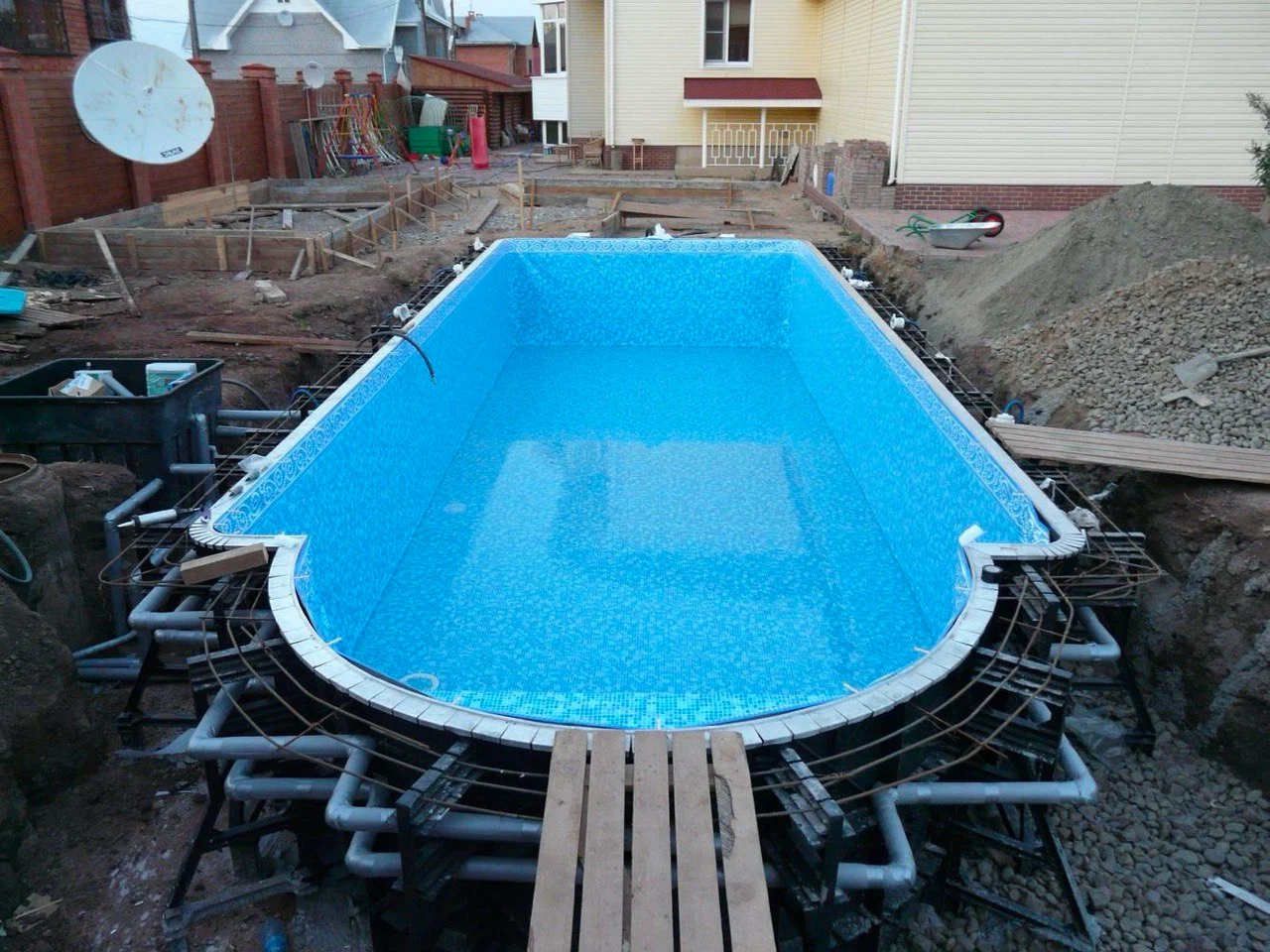
Remodeling a pool is more than a cosmetic update. Many homeowners discover hidden structural issues, outdated equipment, or inefficient layouts only after starting the project. Without a clear understanding of the process, remodels can quickly become disruptive, costly, or frustrating. Knowing what to expect, from assessment to completion, helps homeowners plan effectively and ensures the finished pool meets both functional and aesthetic goals.
Assessment and Planning
The first step in any pool remodel is a thorough evaluation of the existing structure. Cracks, leaks, worn surfaces, or failing equipment are common issues that can compromise safety and usability. Pool dimensions, surrounding hardscape, and drainage patterns are reviewed to ensure compatibility with the proposed changes. A clear plan identifies necessary upgrades, such as resurfacing, equipment replacement, or layout modifications, while considering the impact on landscaping and outdoor structures. Early planning reduces unexpected delays and allows homeowners to make informed decisions on materials, features, and timing.
Scheduling and Coordination
Pool remodels often involve multiple trades: concrete specialists, electricians, plumbers, and landscapers. Coordinating these teams is crucial to prevent damage to surrounding areas, avoid schedule conflicts, and maintain quality. Work is sequenced logically, starting with structural repairs, then equipment installation, followed by finishes and surrounding features. This structured approach ensures that each step supports the next, maintaining the integrity of the pool and surrounding space. Clear communication keeps homeowners informed of progress, timelines, and any adjustments, providing transparency and accountability throughout the project.
Execution and Problem-Solving
Even with careful planning, unforeseen issues can arise. Structural weaknesses or hidden drainage problems may require adjustments. A remodel team that prioritizes accountability addresses these challenges immediately, providing solutions that prevent long-term problems. Attention to detail during execution ensures surfaces are level, equipment is correctly installed, and water circulation functions as intended. Homeowners are consulted as needed to ensure changes align with their vision and practical needs. The result is a pool that functions efficiently, looks cohesive with the surrounding backyard, and avoids recurring maintenance headaches.
Finishing Touches and Integration
The final phase focuses on aesthetics and usability. Hardscape, landscaping, and poolside features are refined to integrate with the remodel. Drainage adjustments, lighting placement, and safety measures are confirmed, completing the pool environment as a fully functional space. Homeowners see tangible results as the updated pool harmonizes with the yard, providing an inviting space for family use, entertaining, or relaxation. Properly executed remodeling ensures that every feature works together, enhancing the long-term enjoyment and value of the outdoor space.
The Outcome
A pool remodel done with structured planning, careful execution, and accountability delivers more than a new surface or updated equipment. It transforms the backyard into a cohesive, functional, and visually appealing environment. Homeowners gain confidence in the durability, safety, and usability of their pool, while avoiding the frustration of mismanaged projects or hidden defects. By understanding the lifecycle of a remodel, homeowners can approach changes strategically and enjoy a pool that meets both practical and lifestyle goals.